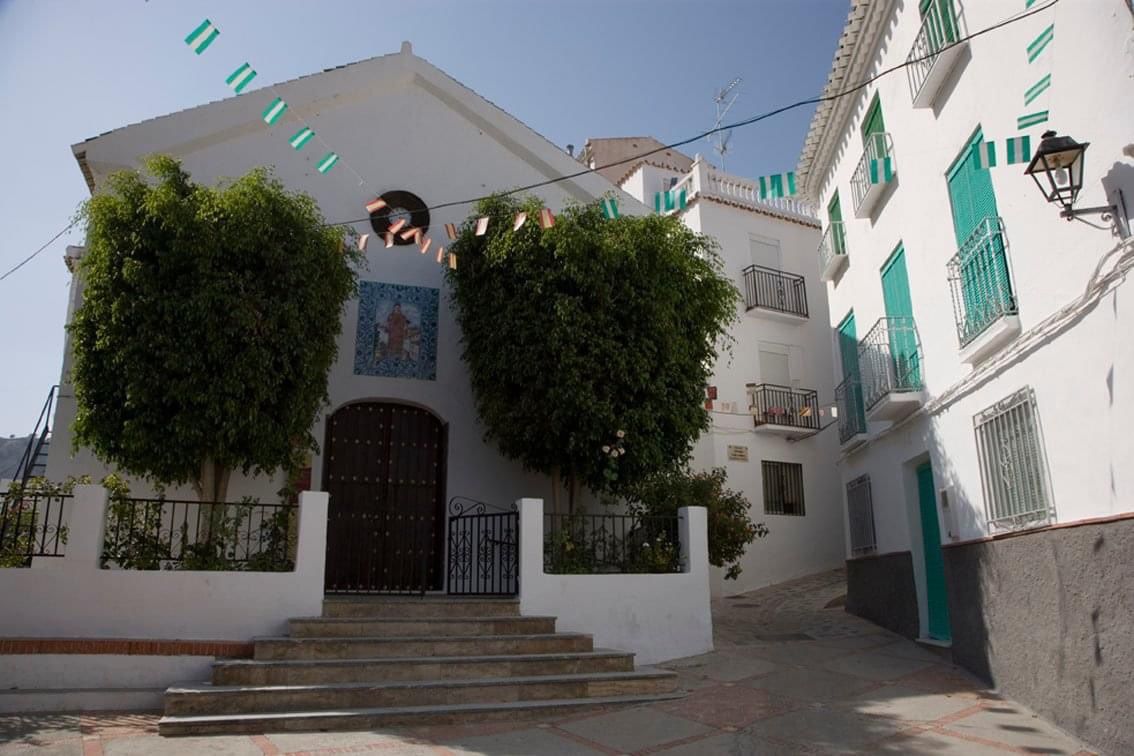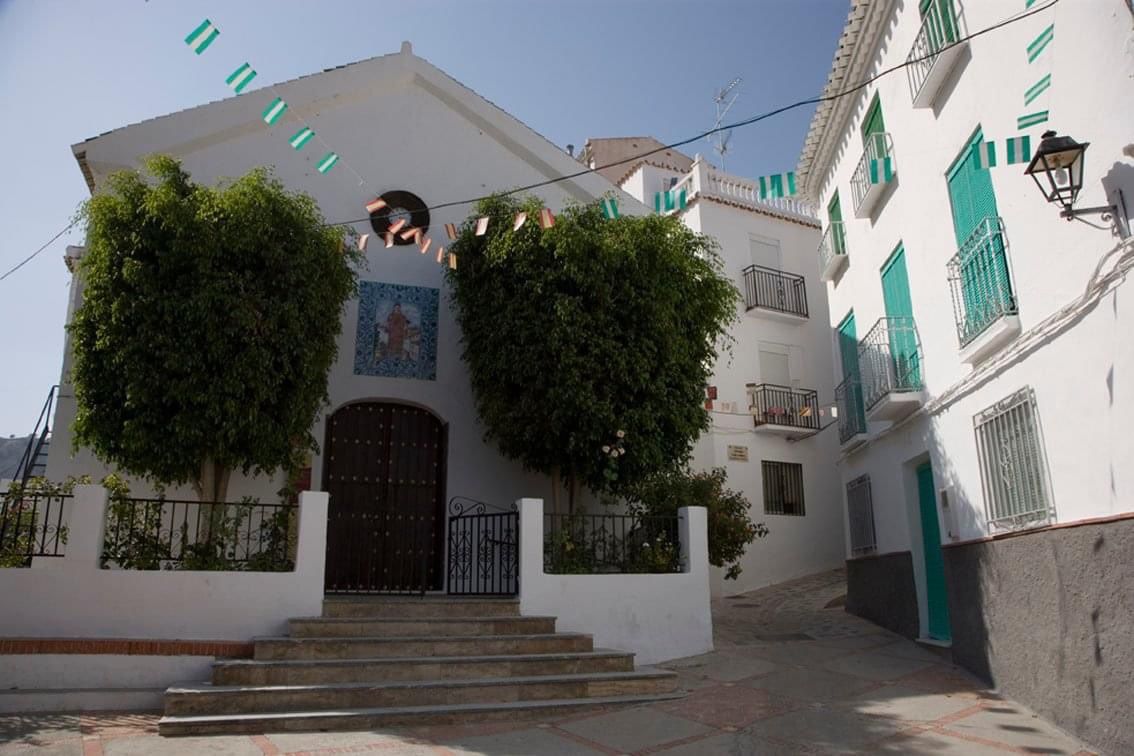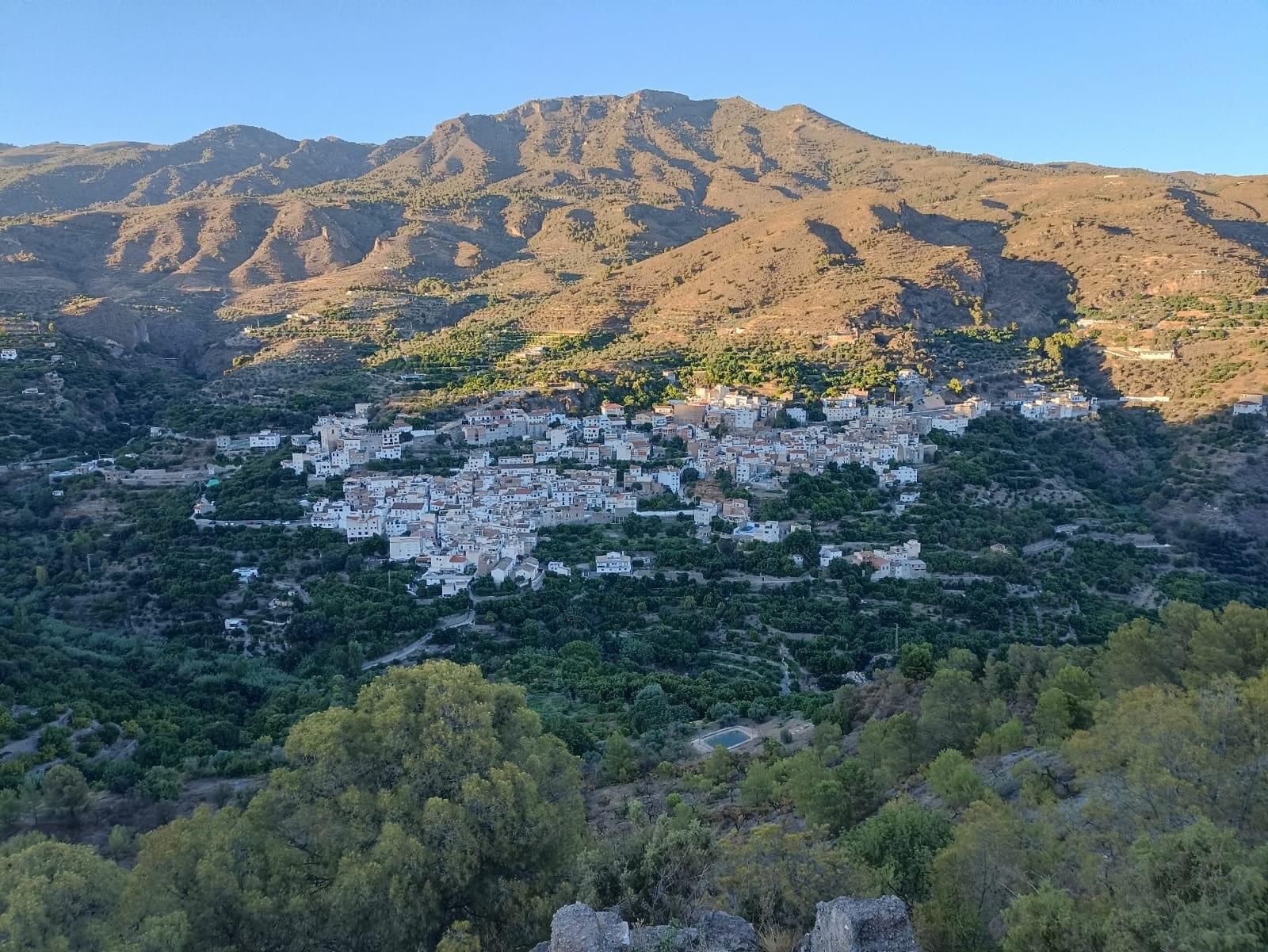
Los Guajares mountain range is not only located in privileged spot but also is surrounded by other place with more or equal charm.
Granada City
The city which is today Granada was founded by the Romans under the name of "Illibris." It was the Moors, who invaded in the eighth century A.D. and stayed on for seven centuries, who deemed the city "Granada." Ferdinand and Isabella, Spain's revered "Catholic Monarchs," conquered the Kingdom of Granada in 1492, culminating the Reconquest of the Iberian Peninsula for Christiandom.
It was during the siege of the city that Isabella of Castille conceded to Christopher Columbus the resources necessary to launch his expedición to the West Indies. This long and colorful history has left numerous imprints on Granada in the form of palaces, churches and other noble buildings which proclaim the rich cultural heritage of the city. The monumental duo comprised by the Alhambra and the Generalife, fortress, medina and palace of the Nazarí monarchs, is world renowned both for its evocative architecture and for its privileged vantage point overlooking the city of Granada. Within the same complex lies the Renaissance Palace built there in the 16th century by the emperor Charles the Fifth, grandson of the conquering Catholic Monarchs.
Salobreña
Salobrena is a white town tumbling down the Gran Penon (large rock) crowned by the ruined shell of a ruined Moorish castle surrounded by a sea of sugar cane fields and tropical fruits contrasting with the intense blue of the Mediterranean.
Salobreña climate is typical Mediterranean with subtropical temperature.
The town centre is made up of several neighbourhoods built within the town walls during the Middle Ages; Albaycin, de la Loma, el Brocal and la Fuente are still maintained in their original Mediaeval layout of labyrinths, winding streets, passageways, arches and geranium covered windows.
Salobrena boasts many beautiful coves hidden among the cliffs, tropical gardens with tropical bird life and many watersports and activities.
Las Alpujarras
Las Alpujarras or La Alpujarra is a spectacularly beautiful region, dominated by the Sierra Nevada and straddling the provinces of Granada and Almería. Its mountains, dotted with picturesque villages, are so impenetrable that the Moors who had named it managed to hold out there for over a century after the fall of Granada in 1492. It falls within the Sierra Nevada National Park and is an important hiking destination, though little known outside walking circles, and so one of the great discoveries visitors to Spain can make.
The mountains of the Alpujarras are steep and broken up by deep, glaciation-formed valleys and spectacular gorges, created by ice and the rivers fed by the constantly melting snow of the Sierra Nevada. And the Alpujarras are lush green wherever you look, even the bare rock often being tinted by lichen.
Almuñecar
Almunecar is Granada´s main seaside resort and retains much of its historical beauty. It lies at the westernmost end of the Costa Tropical at the foot of the wide Valle del Rio Verde. Originally called Sexi, when founded by the Phoenicians who were attracted by the abundance of fish and minerals. Under Roman control it was fortified and became one of the most important commercial colonies along the coast. A 4th Century fish-salting plant, stretches of Roman Aqueduct and a Phoenician acropolis are amongst some of the sights not to be missed. From its Arab past, there is a castle built on the remains of a Roman fort and surrounding the castle a Botanic Garden possessing a large collection of subtropical plants and the aviary with a large collection of tropical birds.
Along the coastline are small coves set amongst steep cliffs, alternating with wide beaches, 26 beaches make up the coastline of Almunecar, many of which are close to the town itself. The sea is clear and transparent making it popular for sub aqua sports as well as sailing and water skiing
Sierra Nevada
Some of the peaks of the Sierra Nevada are over 3000 metres high which make it the highest mountain range in Western Europe after the Alps. The Mulhacén peak(3481m) is the highest one in the Iberian Peninsula.
Sierra Nevada is a National Park with a very ecological significance. It was declared biosphere reserve in 1986.
There is Ski station located only 31 km from the city of Granada. It is the area of ski with more hours of sun of all Europe.
|
|